
Natural disasters strike fast. Families lose homes, income, and basic resources within hours. Emergency cash assistance helps fill the gap between the disaster and long-term recovery. This guide explains the programs that offer cash support, how they work, who qualifies, and how families can apply.
What Emergency Cash Assistance Means
Emergency cash assistance is short-term financial help provided right after a disaster. The goal is simple: give families money to cover urgent needs when regular income or housing is disrupted. Cash is flexible, easy to use, and lets households meet their most immediate needs without waiting for other forms of support.
Families typically use emergency cash to pay for:
- Temporary lodging
- Food and water
- Clothing
- Medicine
- Transportation
- Essential household items
- Childcare
- Replacing important documents
Why Cash Assistance Matters After a Disaster
Most disaster relief takes time. Insurance claims, government inspections, and long-term housing programs all involve waiting. Cash assistance fills the time between the disaster and the arrival of larger support.
It also gives families control. You decide what your household needs most. This flexibility is especially important for families with children, seniors, or people with disabilities.
Major Emergency Cash Assistance Programs
Below are the primary cash relief sources available to families in the United States after a natural disaster.
1. FEMA Individuals and Households Program (IHP)
What it provides:
FEMA offers direct cash grants for housing and other disaster-related needs. Money goes to families affected by federally declared disasters.
How it helps:
- Temporary housing
- Home repairs
- Replacement of essential items
- Clean-up and debris removal
- Childcare
- Transportation
- Moving and storage costs
Eligibility:
- Your home is in a FEMA-declared disaster area
- You experienced losses or home damage
- You are a U.S. citizen, a non-citizen national, or a qualified immigrant
- The damage is not covered by insurance
How to apply:
- Visit DisasterAssistance.gov
- Call 800-621-FEMA (3362)
- Use the FEMA mobile app
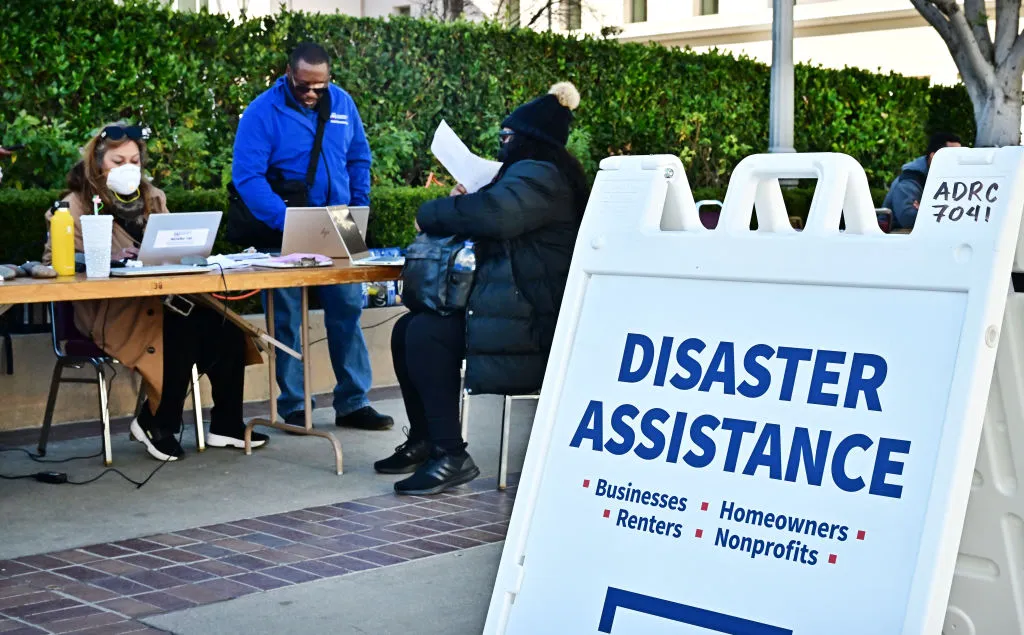
- Go to a local Disaster Recovery Center
2. FEMA Critical Needs Assistance (CNA)
This is a one-time payment—often $500—to meet urgent expenses during the first few days after a disaster.
Used for:
Food, water, medical items, hygiene supplies, clothing, transportation, and other essentials.
Eligibility:
You must request it when you apply for FEMA IHP and confirm immediate needs.
3. FEMA Other Needs Assistance (ONA)
A partnership between FEMA and your state that provides extra cash help for needs not covered by other programs.
What it may cover:
- Medical and dental costs
- Funeral expenses
- Tools for work
- Personal property replacement
- Generators
- Vehicle repair or replacement
4. Small Business Administration (SBA) Disaster Loans
This is not a grant. It is a low-interest loan, but families can use it for real financial recovery.
Who can apply:
- Homeowners
- Renters
- Businesses
What it covers:
- Home repair
- Personal property
- Cars damaged by the disaster
- Rebuilding costs
Families often combine FEMA grants with SBA loans to cover what FEMA will not.
5. State and Local Emergency Cash Programs
States run their own emergency financial assistance programs during major disasters.
Support may include:
- One-time cash grants
- Temporary financial assistance
- Rental help
- Transportation vouchers
- Replacement of essential household items
These programs change by state and disaster. Families should check with their state’s emergency management office or local Department of Human Services.
6. American Red Cross Immediate Assistance
The Red Cross provides quick cash to families after home fires, hurricanes, tornadoes, floods, and other disasters.
How it works:
Caseworkers meet you at disaster sites or shelters and load funds onto a prepaid card or virtual card.
Used for:
Food, clothing, lodging, and basic needs.
7. Salvation Army Disaster Financial Assistance
The Salvation Army offers short-term emergency cash, gift cards, or vouchers after disasters.
Common support includes:
- Hotel vouchers
- Clothing
- Food
- Household goods
- Transportation
8. Catholic Charities Disaster Relief
Local branches provide emergency cash, rent help, hotel stays, and utility assistance for families displaced or impacted by a disaster.
9. United Way Disaster Relief Funds
When communities face major disasters, the United Way launches emergency cash assistance programs.
These funds often cover:
- Immediate financial aid
- Essential supplies
- Temporary housing
- Replacement of personal items
To apply, call 2-1-1.
10. Nonprofit and Community Cash Aid
Many nonprofit organizations provide cash aid during major disasters. Some include:
- Direct Relief
- Team Rubicon
- The Salvation Army
- Jewish Federation Disaster Aid
- Local churches and faith-based ministries
Their support ranges from one-time cash grants to help with rent, utilities, clothing, or transportation.
How to Apply for Emergency Cash Assistance
Follow these steps right after a disaster:
1. Register With FEMA First
Even if you think you won’t qualify, register.
FEMA is the gateway for many other programs.
2. Document Your Losses
Take photos and videos of:
- Property damage
- Personal belongings
- Home structure
- Flooding or debris
Save receipts for hotels, supplies, and repairs.
3. Contact Your Insurance Provider
FEMA will ask for your insurance status.
FEMA will not duplicate benefits, so report claims early.
4. Visit a Disaster Recovery Center
You can receive in-person help from FEMA, SBA, nonprofits, and state agencies in one place.
5. Call 2-1-1
United Way’s 2-1-1 line connects you to local cash relief services, shelters, and nonprofits.
6. Apply With Local Nonprofits
Each organization has its own process. Most require:
- ID
- Proof of residence
- Proof of loss or evacuation
- Disaster case number (if available)
Common Barriers and How to Handle Them
Delays in FEMA Inspections
Keep receipts for temporary housing and supplies.
Lost Documents
Most agencies will accept temporary IDs or alternative proof.
No Internet Access
Visit a library, shelter, or recovery center for free access.
Language Barriers
FEMA and major nonprofits offer multi-language support.
Tips to Speed Up Assistance
Apply within 24–72 hours
- Keep your FEMA registration number safe
- Answer calls from unknown numbers—inspectors call from various phone lines
- Upload photos and documents directly to your FEMA account
- Notify FEMA if you move or change phone numbers
Conclusion
Emergency cash assistance is one of the first lifelines for families after a natural disaster. Programs from FEMA, the Red Cross, the Salvation Army, state agencies, and community nonprofits help cover urgent needs like food, shelter, medicine, and transportation. Applying early, documenting losses, and connecting with multiple assistance sources increases your chances of fast and effective support.
