
Winter storms can knock out power for hours or even days, leaving families without heat, light, or communication. Preparing ahead with supplies, backup power, and safety measures is the best way to stay safe and comfortable during an outage.
Winter storms can cause sudden power failures. Without electricity, heating, lighting, and communication may be disrupted. Planning ahead helps keep you safe and comfortable.
You can also read general winter storm safety from the CDC here: https://www.cdc.gov/winter-weather/safety/stay-safe-during-after-a-winter-storm-safety.html
Take immediate precautions if you hear these words on the news:
Winter Storm WARNING: Life-threatening, severe winter conditions have begun or will begin within 24 hours.
Blizzard WARNING: Sustained winds or frequent gusts of 35 miles per hour or greater, plus considerable falling or blowing snow reducing visibility to less than a quarter mile, expected to prevail for three hours or longer.
Other winter storm words to listen for:
- WIND CHILL Temperature: How cold people and animals feel when outside. As wind increases, heat is carried away from your body at a faster rate, driving down your body temperature and making you feel much colder. The wind chill temperature is not the actual temperature but rather how wind and cold feel on exposed skin.
- Winter Storm OUTLOOK: Winter storm conditions possible in the next two to five days. Stay tuned to local media for updates.
- Winter Storm WATCH: Winter storm conditions possible within the next 36 to 48 hours. Review your winter storm plans and stay informed about weather conditions.
- Winter Weather ADVISORY: Winter weather conditions expected to cause significant inconveniences and may be hazardous but not life-threatening if you are cautious.
Plan to Stay Warm
- Stay warm indoors to prevent frostbite and hypothermia.
- Before the winter season begins, make sure you can heat your home safely. Prepare your home to keep out the cold with insulation, caulking, and weather stripping.
- Consider using an indoor thermometer or thermostat to monitor the temperature inside.
- Plan to check on loved ones and neighbors to make sure they are staying warm. This is especially important for older adults and babies.
- Drink plenty of warm fluids but avoid caffeine and alcohol.
- Avoid travel if you can.
- If you must go outside, plan to dress properly. Keep your nose, ears, cheeks, chin, fingers, and toes covered in warm, dry clothing. These areas are the first to be at risk for frostbite.
- Wear layers of loose clothing, a coat, hat, mittens, and water-resistant boots. Use a scarf to cover your face and mouth.
- Know where you will go if your home becomes too cold. You could go to a friend’s house, a public library, or a warming center.
Gather Supplies
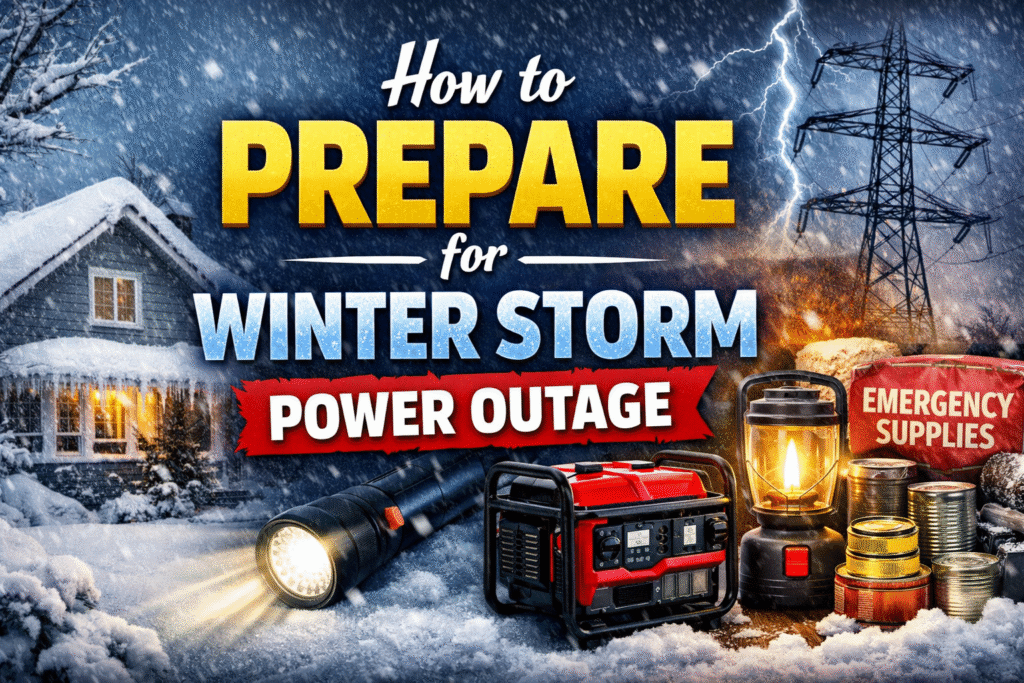
Think about what you may need to last several days if the power goes out and you can’t leave your location. Create an emergency kit and stock up now as stores or food pantries may run out of supplies.
Include items such as:
- Non-perishable food that does not require refrigeration or cooking.
- Drinking water.
- Prescription medications and first-aid supplies.
- Flashlights, batteries, power banks and phone chargers.
- Blankets, warm clothing, extra layers, hand warmers.
- Baby supplies or pet food, if needed.
- Rock salt and a working snow shovel.
- Textured grip shoes to reduce falls on slippery surfaces.
Protect Your Home Against Power Loss and Freezing Temperatures
Winter storms can often cause power outages that disrupt communications, utilities and complicate medical needs.
To prepare for possible outages:
- Keep phones and power banks fully charged.
- Trim trees and remove dead branches that are near your home.
- Have back up medications and alternative ways to charge medical devices.
Plan for School and Work Disruptions
Snow and icy conditions can lead to delays, early dismissals or closures for schools and some workplaces.
Families are encouraged to:
- Make childcare arrangements in advance, if needed.
- Check with your child’s school to see if there are remote learning plans.
- Monitor district announcements and employer updates.
Planning ahead can help reduce stress if schedules change quickly.
Bottom Line
Preparing for a winter storm power outage means more than just stocking supplies—it’s about safeguarding your home, health, and community. With a well-thought-out plan, you can weather the storm safely and comfortably.
Related Articles:
Winter Rent Assistance Programs: How to Avoid Eviction During Cold Months
Winter Eviction Prevention Programs
Emergency Cash Assistance During Winter
Free Food During Winter: Food Banks, Pantries, and Meal Programs
