
Florida faces hurricanes almost every year. When a strong storm is coming, local governments open hurricane shelters to keep people safe. These shelters follow specific rules to protect everyone inside. Knowing the requirements before you go can help you prepare and reduce stress during an emergency.
What Is a Hurricane Shelter?
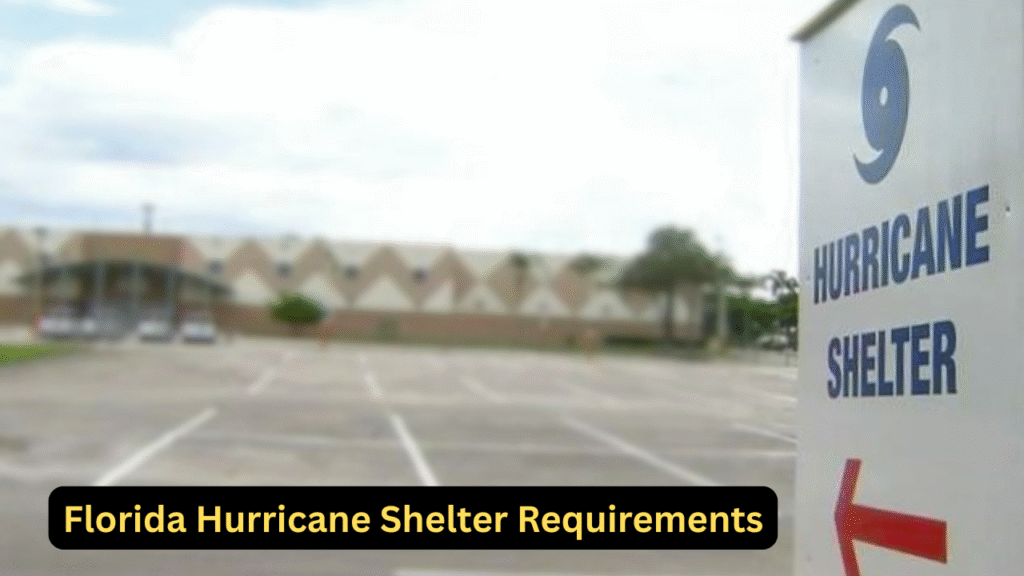
A hurricane shelter is a safe building opened during a storm. Most shelters are located in schools, community centers, or public buildings built to handle strong winds and heavy rain. Shelters are meant for short-term safety, not comfort.
Who Can Use a Hurricane Shelter?
Hurricane shelters in Florida are open to:
- Residents living in evacuation zones
- People in mobile homes
- Families who do not have a safe place to stay
- Visitors who cannot leave the area in time
You do not need proof of income or housing status. Shelters are open to anyone who needs safety during the storm.
Identification Requirements
Most Florida shelters do not require an ID to enter. However, it is helpful to bring:
- A photo ID, if you have one
- Any medical paperwork
- Important documents in a waterproof bag
No one is turned away for lack of identification.
What You Must Bring With You
Florida hurricane shelters usually provide basic safety, but not supplies. You should bring:
- Water (at least one gallon per person per day)
- Non-perishable food for 2–3 days
- Prescription medicines and medical supplies
- Bedding such as blankets, sleeping bags, or pillows
- Personal hygiene items
- Baby supplies, if needed
- Chargers and power banks
- Face masks and hand sanitizer
Shelters may not provide food, beds, or privacy.
Rules About Pets
Florida allows pets in designated pet-friendly shelters, but rules apply:
- Pets must be dogs, cats, birds, or small animals
- You must bring a leash, carrier, or crate
- Bring pet food, water, and medicine
- Pets must stay with their owners
- Service animals are allowed in all shelters
Always check ahead to find a pet-friendly shelter near you.
Medical and Special Needs Shelters
Florida offers Special Needs Shelters for people who:
- Need electricity for medical equipment
- Have mobility issues
- Require medical supervision
Requirements for special needs shelters include:
- Pre-registration with your county
- A caregiver, if required
- Your own medications and supplies
These shelters are limited and must be approved in advance.
Security and Behavior Rules
To keep everyone safe, shelters enforce strict rules:
- No alcohol, drugs, or weapons
- No smoking or vaping
- Follow staff instructions at all times
- Respect quiet hours
- Stay inside until officials say it is safe to leave
Breaking rules can result in removal from the shelter.
Arrival Time and Check-In
Shelters usually open before the storm arrives, not during dangerous conditions. You should:
- Arrive early
- Expect long lines
- Go through a basic safety screening
- Choose a space on a first-come basis
Once conditions worsen, shelters may stop admitting people.
How Long Can You Stay?
Hurricane shelters are temporary. Most stay open:
- During the storm
- Until roads are safe
- Until evacuation orders are lifted
You should plan where you will go after the shelter closes.
How to Find Open Shelters in Florida
To find open shelters:
- Check your county emergency management website
- Listen to local news and radio
- Call 211 for shelter information
- Follow official social media updates
Do not rely on rumors or unofficial sources.
Final Thoughts
Florida hurricane shelters are designed to save lives, not provide comfort. Knowing the shelter requirements ahead of time helps you prepare properly and stay calm during a storm. Pack early, follow the rules, and listen to local officials. Being prepared can make a difficult situation safer for you and your family.
FAQs
1. Are Florida hurricane shelters free to use?
Yes, public hurricane shelters in Florida are free for residents during emergencies.
2. Can I go to a shelter if I don’t live in an evacuation zone?
Generally, shelters are prioritized for evacuation zone residents, but policies vary by county.
3. Do shelters provide food and water?
Some shelters offer limited meals, but you should bring your own food and water.
4. Can I bring my pet to any shelter?
Only designated pet-friendly shelters allow pets.
5. When do hurricane shelters usually open in Florida?
Shelters typically open when evacuation orders are issued, often 24–48 hours before landfall.
