
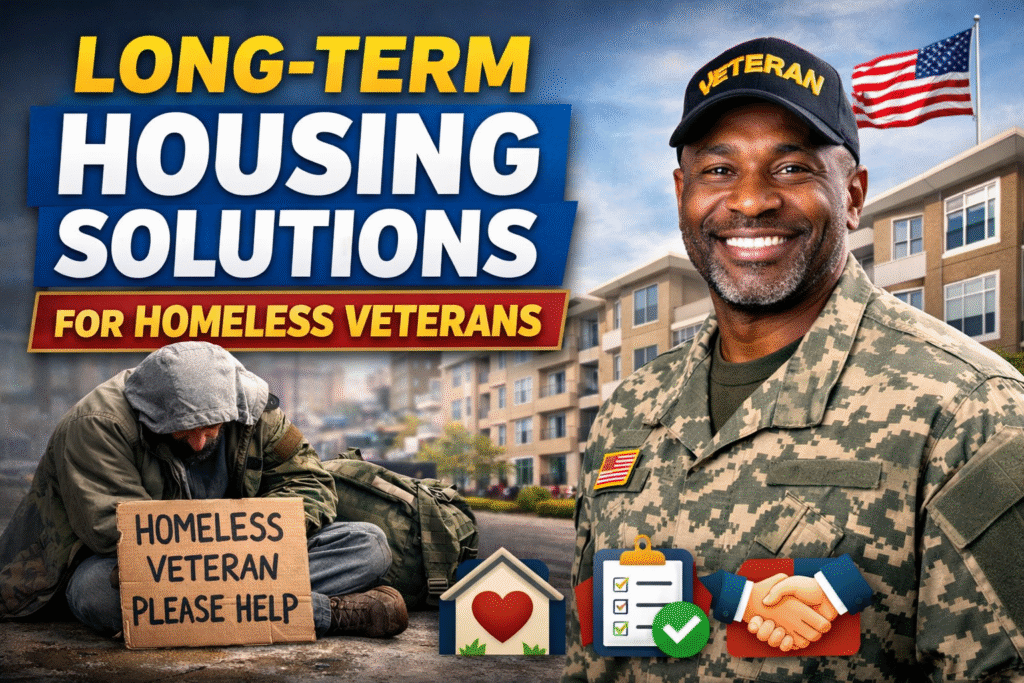
We recognize that homelessness among veterans is a critical social challenge that demands structured, long-term solutions rather than temporary relief. Veterans often face unique barriers such as service-related disabilities, mental health conditions, limited income, and difficulty transitioning to civilian life. Without permanent and supportive housing, these challenges can compound, keeping veterans trapped in cycles of instability. Long-term housing solutions are designed to restore dignity, promote independence, and provide a foundation for sustainable living.
Permanent Supportive Housing Programs for Veterans
Permanent Supportive Housing (PSH) remains one of the most effective long-term housing models for homeless veterans. These programs combine affordable housing with ongoing support services, ensuring veterans are not only housed but also equipped to maintain stability.
Key features include:
- Long-term rental assistance
- Case management and counseling
- Healthcare and mental health access
- Substance use recovery support
- Employment and life-skills coaching
PSH prioritizes veterans with chronic homelessness or disabilities, offering a stable home environment without time limits, allowing individuals to rebuild their lives at a sustainable pace.
HUD-VASH: A Cornerstone Housing Solution
The HUD-VASH (Housing and Urban Development – Veterans Affairs Supportive Housing) program stands as a cornerstone of veteran housing assistance. This program merges HUD housing vouchers with VA-provided supportive services, creating a comprehensive solution for long-term housing stability.
Benefits of HUD-VASH include:
- Subsidized rental housing in the private market
- Dedicated VA case managers
- Access to medical and behavioral healthcare
- Ongoing housing retention support
HUD-VASH has successfully reduced veteran homelessness nationwide by providing permanent, community-based housing rather than institutional or temporary placements.
Transitional Housing as a Bridge to Permanence
While permanent housing is the goal, transitional housing programs play an essential role in preparing veterans for long-term stability. These programs typically offer housing for 6 to 24 months, paired with structured support services.
Transitional housing focuses on:
- Financial literacy and budgeting
- Employment training and job placement
- Mental health stabilization
- Legal and benefits assistance
By addressing root causes of homelessness, transitional housing ensures veterans are fully prepared to move into permanent independent housing.
Veterans Group Homes and Shared Housing Models
Veterans group homes and shared housing communities provide an alternative long-term solution for those who benefit from peer support. These residences foster a sense of community while maintaining affordability.
Advantages include:
- Reduced living expenses
- Peer accountability and support
- On-site case management
- Structured environments for recovery
Shared housing models are particularly effective for older veterans, those with limited income, or individuals seeking social connection and stability.
Supportive Housing for Disabled Veterans
Disabled veterans often require specialized long-term housing solutions tailored to their physical or cognitive needs. Accessible supportive housing integrates medical support, mobility accommodations, and personal care services.
These programs offer:
- ADA-compliant living spaces
- In-home healthcare coordination
- Assistance with daily living activities
- Transportation to medical appointments
By addressing both housing and health needs, supportive housing enables disabled veterans to live with dignity and independence.
Rural Housing Solutions for Homeless Veterans
Homelessness among veterans is not limited to urban areas. Rural veterans face unique obstacles, including limited housing stock, transportation barriers, and reduced access to services. Long-term housing strategies for rural areas focus on:
- Mobile housing assistance
- Partnerships with local landlords
- Rehabilitation of vacant properties
- Community-based housing developments
These solutions ensure veterans in rural communities are not overlooked and have equal access to permanent housing opportunities.
Employment-Integrated Housing Programs
Long-term housing stability is closely tied to employment and income security. Employment-integrated housing programs combine affordable housing with workforce development initiatives.
Core components include:
- Job training aligned with local labor markets
- Resume and interview preparation
- Employer partnerships
- Ongoing career advancement support
Stable housing allows veterans to focus on employment goals, while earned income strengthens their ability to maintain housing long-term.
Legal and Financial Assistance in Housing Stability
Legal and financial challenges often threaten housing stability for veterans. Long-term housing programs increasingly integrate legal aid and financial counseling to prevent eviction and homelessness recurrence.
Services commonly provided:
- Tenant rights education
- Eviction prevention assistance
- Credit repair programs
- Debt management counseling
By resolving legal and financial barriers, veterans are better positioned to sustain long-term housing success.
Community Partnerships and Nonprofit Housing Initiatives
Strong community collaboration enhances the effectiveness of long-term housing solutions. Nonprofit organizations, faith-based groups, and local governments work together to expand housing availability for veterans.
These partnerships support:
- Development of affordable housing units
- Donation of furnishings and essentials
- Volunteer-based mentorship programs
- Community reintegration initiatives
Community-driven housing solutions ensure veterans receive holistic support beyond shelter alone.
Housing First Approach for Veterans
The Housing First model prioritizes immediate access to permanent housing without preconditions such as sobriety or employment. This approach has proven especially effective for veterans experiencing chronic homelessness.
Housing First emphasizes:
- Immediate housing placement
- Voluntary supportive services
- Respect for personal choice
- Long-term housing retention
By removing barriers to entry, Housing First ensures veterans achieve stability quickly and sustainably.
Long-Term Impact of Stable Housing for Veterans
Stable housing produces lasting positive outcomes for veterans and communities alike. Long-term housing solutions lead to:
- Improved physical and mental health
- Reduced emergency healthcare utilization
- Increased employment rates
- Stronger family reunification
- Lower public service costs
Permanent housing empowers veterans to transition from survival to self-sufficiency, honoring their service with lasting stability.
Related Articles:
Free Window Replacement for Veterans
Grants for Low-income Veterans
Frequently Asked Questions (FAQ)
Who qualifies as a homeless veteran?
A homeless veteran is someone who served in the military and lacks stable housing, including living in shelters, cars, or on the street.
Do veterans have to pay rent in long-term housing?
Most programs require rent, but it is affordable and based on income. Some veterans pay very little.
Can veterans choose where they live?
Yes, especially with programs like HUD-VASH. Veterans can often choose apartments in regular neighborhoods.
Is long-term housing only for veterans with disabilities?
No. Many programs serve veterans with or without disabilities, depending on need.
How long does it take to get housing?
Wait times vary. Some veterans are housed quickly, while others may wait longer depending on availability.
Final Thoughts
Homelessness among veterans can be solved. Long-term housing gives veterans safety, dignity, and a chance to rebuild their lives. With the right housing and support, many veterans recover, find work, and live independently.
If you know a veteran facing homelessness, help is available, and long-term housing is possible.
