
Winter is the most difficult season for people living on the streets or in precarious housing. Cold nights increase the risk of hypothermia, frostbite, and illness. Many people want to help but don’t know where to begin. The good news is that even small actions can make a big difference. This guide explains practical, safe, and effective ways to help people experiencing homelessness stay warm during the winter.
How You Can Help the Homeless to Keep Warm This Winter
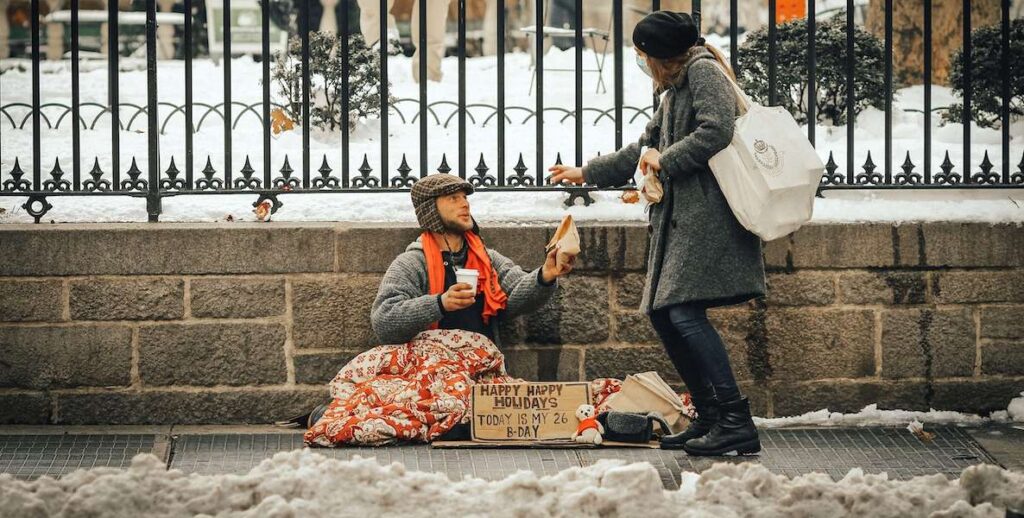
1. Donate Warm Clothing and Winter Gear
Warm clothing saves lives during freezing temperatures. Many shelters and outreach teams ask for specific winter items that offer the most protection.
Most-Needed Items
- Heavy winter coats
- Thermal underwear
- Thick socks
- Gloves and mittens
- Winter hats and scarves
- Waterproof boots
- Blankets and sleeping bags
- Hand warmers and thermal wraps
Choose durable items that provide real insulation. Wool and fleece are best because they keep heat even when wet.
Where to Donate
- Local homeless shelters
- Churches with outreach ministries
- Nonprofit winter clothing drives
- Community centers
- Street outreach groups
Before donating, call the organization to ask what items they need most.
2. Provide Winter Hygiene Supplies
Cold weather makes hygiene more difficult for people who live outside. Simple hygiene kits help reduce illness.
Useful Hygiene Kit Items
- Lip balm
- Lotion
- Hand sanitizer
- Body wipes
- Toothbrush and toothpaste
- Tissues
- Small first-aid items
Pack items in a reusable zip bag so the person can carry them easily.
3. Support Local Shelters and Warming Centers
Shelters and warming centers play a major role in protecting people from the cold. Many operate 24/7 during weather emergencies.
Ways to Support
- Donate money to help with heating costs
- Volunteer at meal services or check-in areas
- Fundraise through social media
- Share warming center locations online
Financial donations are especially helpful because they allow shelters to buy what they need most.
4. Hand Out Winter Survival Kits
If you prefer to help directly, winter survival kits are effective. These kits can be passed out during outreach walks or donated to nonprofits for distribution.
Include Items Like
- A thermal blanket
- Thick socks
- A warm hat
- Hand warmers
- A small flashlight
- A water bottle
- Protein bars
- Hot drink packets
Always approach people respectfully and offer help without pressure.
5. Offer Hot Food and Drinks
Warm food can bring immediate relief during cold nights.
Ideas
- Hand out cups of soup, tea, or hot chocolate
- Donate hot meals to shelters
- Work with a church to serve warm breakfast
- Support mobile soup kitchens
If you serve food on your own, follow local health rules and safety guidelines.
6. Volunteer for Street Outreach Programs
Street outreach teams find people sleeping outside and connect them to warm shelter, food, and medical care.
Your Role Could Include
- Passing out blankets or clothing
- Helping with transport to warming centers
- Sharing information about local resources
- Checking on vulnerable individuals in dangerous weather
These programs often need more volunteers during winter.
7. Advocate for Winter Shelter Resources
Not everyone can donate time or money, but everyone can support policies that protect homeless individuals.
Advocacy Actions
- Contact local officials to support emergency shelter funding
- Share information about warming center openings on social media
- Encourage your community to support winter drives
- Join local meetings on homelessness solutions
Awareness creates pressure that leads to better resources.
8. Offer Transportation to Warm Places
Many people living outside have trouble reaching shelters or warming centers, especially during sudden temperature drops.
Ways to Help
- Provide rides through volunteer programs
- Share transport vouchers if available
- Call outreach teams if you meet someone who needs help
- Know the nearest warming centers and shelter hours
Never insist someone must ride with you. Offer the option gently.
9. Support Hot Shower and Laundry Programs
Clean clothes and showers help homeless individuals stay healthy and warm. Many nonprofits run mobile laundry vans or shower trailers.
You can help by:
- Donating detergent and towels
- Volunteers to assist with setup
- Sharing information about locations and schedules
- Funding program expansion
10. Check on People in Your Neighborhood
If you know someone who lives outdoors, in a vehicle, or in an abandoned building, check on them during cold nights.
Offer:
- Blankets
- Warm drinks
- Information about warming centers
- Help calling outreach teams
A quick check can prevent a medical emergency.
11. Donate to Organizations That Provide Emergency Housing
Many charities work year-round to help homeless individuals find stable, warm housing. Your donation can help cover rent assistance, motel vouchers, or utility bills.
Examples of Helpful Programs
- Salvation Army
- Red Cross
- Local church assistance programs
- Community Action Agencies
- Homeless coalitions
These groups combine temporary shelter with long-term support.
Final Thoughts
Helping the homeless stay warm in winter does not require much—just compassion and a willingness to act. Whether you donate warm clothing, support shelters, volunteer, or simply share information, your actions can protect someone from the dangers of cold weather. Small steps add up, and communities become safer when people look out for each other.
