
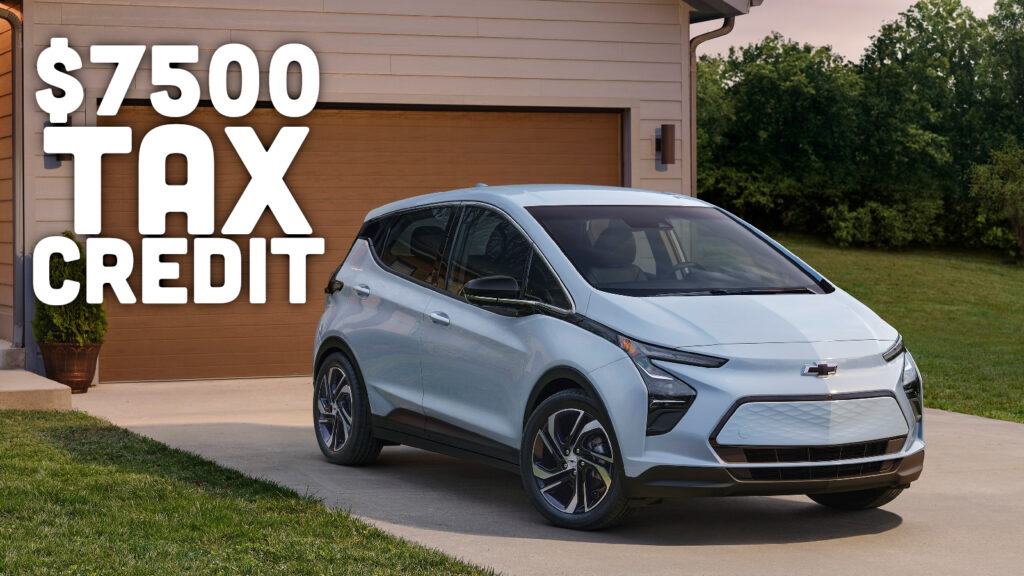
Starting in 2025, the Clean Vehicle Tax Credit (also known as the “EV rebate”) offers up to $7,500 for qualifying new electric vehicles (EVs) and up to $4,000 for used vehicles. But time is running out: this program expires on September 30, 2025.
Who qualifies? Income Limits for Low-Income Families
The rebate focuses on affordability for moderate- and low-income households through clear income thresholds:
New Electric Vehicles:
Single Filers: Modified Adjusted Gross Income (MAGI) must not exceed $150,000
Married filing jointly: MAGI must not exceed $300,000
Head of Household: MAGI must not exceed $225,000
Used Electric Vehicles:
Single or married filing separately: MAGI ≤ $75,000
Head of Household: MAGI ≤ $112,500
Married filing jointly: MAGI ≤ $150,000
It is important to note that the IRS allows users to use the lower MAGI for the current year. (whether the year the vehicle was delivered or the previous year), which benefits those with fluctuating incomes.
Vehicle Eligibility Requirements
- New Electric Vehicles (up to $7,500)
To qualify for the full $7,500 credit, vehicles must meet several criteria:
- Final Assembly in North America: The vehicle must be assembled in the U.S., Canada, or Mexico.
Sourcing of Batteries and Critical Minerals: By 2025, the requirements are:
- ≥60% of battery components assembled/manufactured in North America.
- ≥60% of critical minerals sourced from the U.S. or a country with a free trade agreement.
Price Limits:
Cars (e.g., sedans): The manufacturer’s suggested retail price (MSRP) must be $55,000 or less.
SUVs, vans, pickup trucks: The MSRP must be $80,000 or less.
Many popular models currently meet these requirements, such as certain versions of the Tesla Model 3/Y, the Ford F-150 Lightning, the Chevrolet Blazer EV, and others.
Used Electric Vehicles (Up to $4,000)
To qualify for the used electric vehicle credit:
The purchase price must be $25,000 or less (including dealer fees, not including taxes or titles).
The vehicle must be at least two years old compared to the year of purchase.
The buyer must not be the original owner, must have purchased it from a dealer, and must not have applied for another used electric vehicle credit in the past three years.
Point-of-Sale Rebates: Immediate Discounts
Beginning January 1, 2024, buyers can choose to transfer the credit directly to a qualifying dealer as a point-of-sale discount, so they don’t have to wait until their tax return to benefit.
You will need:
- Provide your Average Adjusted Gross Income (MAGI) (below the established limits)
- Provide photo identification and a tax identification document (e.g., your Social Security number)
- Sign documentation confirming your eligibility
- If you are later determined not to qualify, you may have to repay the amount.
Action Steps for Low-Income Families in 2025
| Step | What You Should Do |
|---|---|
| 1. Check timing | You must take delivery of the vehicle by September 30, 2025. |
| 2. Confirm income eligibility | Review your MAGI for 2024 and 2025—use whichever is lower. Ensure it falls below thresholds. |
| 3. Choose the right vehicle | Search IRS’s FuelEconomy.gov or NHTSA VIN lookup for eligible models under the price caps. |
| 4. Opt for point-of-sale credit | If qualified, request it from the dealer for immediate savings. |
| 5. Get the paperwork | Demand a seller’s certificate detailing VIN, price, credit eligibility, seller and buyer TINs (if claiming credit on taxes). |
Why is this important for low-income families
Immediate affordability: A point-of-sale discount of up to $7,500 (new) or $4,000 (used) makes electric vehicles significantly more affordable.
Stable pricing period: Although the rebate ends in September, current policy allows low-income families to secure benefits now.
Future incentive support: Although federal credits are ending, states like California could continue their own programs.
Key Takeaways
- The $7,500 federal EV rebate is available now, but expires on September 30, 2025.
- Low-income families may qualify if their MAGI is below established limits.
- Eligibility depends on vehicle assembly, sourcing, and price limits.
- Used EVs offer an alternative with a credit of up to $4,000, making them even more affordable.
- Point-of-sale credits offer savings at purchase, but require verification and documentation.
With time just around the corner, low-income families considering purchasing an EV in 2025 should act quickly and strategically. Focus on meeting income requirements, choosing an eligible vehicle, and getting the rebate upon purchase before this deadline closes at the end of September. additional respurces
Related Articles:
